10 Home Staging Mistakes That Could Cost You Buyers
Aug 20, 2026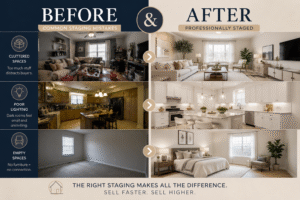
Selling a home is about more than pricing it correctly or listing it on the right websites. The way your property is presented plays a major role in how buyers perceive its value from the moment they see the listing online to the moment they step through the front door.
Many sellers unintentionally make home staging mistakes that distract buyers or prevent them from appreciating the home’s true potential. While these issues may seem minor, they can affect first impressions, reduce buyer engagement, and make your home less competitive in today’s market.
The good news is that most staging mistakes are avoidable. With thoughtful preparation and professional guidance, you can showcase your home in a way that highlights its strengths and creates a welcoming environment for potential buyers.
Here are ten of the most common home staging mistakes—and how to avoid them.
1. Leaving Too Much Clutter
Clutter is one of the biggest distractions for buyers.
Crowded countertops, overflowing shelves, and packed closets can make a home feel smaller and less organized. Buyers want to focus on the property’s features, not the homeowner’s belongings.
How to Fix It
- Clear kitchen and bathroom counters.
- Organize closets and storage spaces.
- Remove unnecessary decorations.
- Store seasonal or rarely used items off-site if possible.
A clean, open space helps buyers imagine how they would use each room.
2. Keeping Too Many Personal Items on Display
Family photographs, personalized artwork, children’s drawings, and collections tell your story—but buyers need space to imagine their own.
When a home feels overly personalized, it becomes harder for buyers to picture themselves living there.
How to Fix It
Replace personal items with neutral décor, fresh greenery, simple artwork, and tasteful accessories that appeal to a broad audience.
3. Ignoring Curb Appeal
First impressions begin before buyers even enter the home.
An overgrown lawn, peeling paint, dirty walkways, or neglected landscaping can influence how buyers feel before the showing starts.
How to Fix It
Improve your home’s exterior by:
- Mowing the lawn.
- Trimming shrubs.
- Cleaning the driveway.
- Adding fresh mulch.
- Placing seasonal flowers near the entrance.
- Painting or cleaning the front door.
A welcoming entrance sets a positive tone for the rest of the tour.
4. Using Furniture That Is Too Large
Oversized furniture can make rooms appear smaller than they actually are.
Buyers should be able to move comfortably throughout the space without feeling crowded.
How to Fix It
Professional home stagers carefully select furniture that complements the room’s proportions. Removing one or two oversized pieces often creates a more spacious feel.
5. Leaving Vacant Rooms Empty
Many homeowners believe empty rooms allow buyers to imagine their own furniture.
In reality, vacant spaces often feel smaller, colder, and more difficult to understand.
How to Fix It
Vacant home staging provides scale and purpose by furnishing rooms in a way that highlights functionality and flow.
Whether it’s a dining room, office, or guest bedroom, staging helps buyers understand how each area can be used.
6. Poor Lighting Throughout the Home
Lighting has a major impact on how a home feels.
Dark rooms can appear smaller, older, and less inviting.
How to Fix It
Before every showing:
- Open curtains and blinds.
- Replace burned-out bulbs.
- Use matching daylight bulbs when appropriate.
- Turn on lamps to brighten darker corners.
- Clean light fixtures and windows.
Bright, well-lit spaces feel larger and more welcoming.
7. Neglecting Minor Repairs
Small maintenance issues can create the impression that larger problems exist.
Loose cabinet handles, chipped paint, dripping faucets, and squeaky doors may seem insignificant, but buyers notice these details.
How to Fix It
Complete basic repairs before listing your home.
Addressing small maintenance items demonstrates that the property has been well cared for and helps build buyer confidence.
8. Overdecorating Every Room
While accessories help create warmth, too much décor can overwhelm a space.
Rooms filled with excessive pillows, decorations, or bold colors can distract buyers from the home’s architecture.
How to Fix It
Less is often more.
Choose a few carefully selected accessories that complement the room without competing for attention.
Professional staging focuses on balance, simplicity, and functionality.
9. Skipping Professional Listing Photography
Your online listing is often the first showing your home receives.
Even beautifully staged homes can lose buyer interest if photographed poorly.
How to Fix It
Invest in professional real estate photography after staging is complete.
High-quality images showcase your home’s best features, improve online presentation, and encourage more buyers to schedule in-person tours.
10. Trying to Appeal to Everyone Without a Strategy
Some sellers mix design styles, furniture, and décor in an effort to satisfy every buyer.
Instead, this often creates visual confusion.
How to Fix It
Professional home staging uses cohesive design principles to create a clean, inviting atmosphere that appeals to a broad range of buyers.
The goal isn’t to impress everyone with bold design—it’s to help buyers focus on the home’s potential.
Why Professional Home Staging Makes a Difference
Professional home staging is much more than arranging furniture.
Experienced stagers understand buyer psychology, room flow, furniture scale, lighting, color coordination, and current market expectations. They know how to emphasize your home’s strongest features while minimizing distractions.
According to the National Association of Realtors (NAR), many buyers’ agents report that staging helps buyers visualize a property as their future home. While every transaction is different, thoughtful presentation can improve buyer perception and create a stronger overall marketing strategy.
Actionable Home Staging Checklist
Before listing your home, complete this checklist:
✔ Declutter every room.
✔ Remove personal photographs.
✔ Deep clean the entire property.
✔ Complete small repairs.
✔ Brighten every room with proper lighting.
✔ Rearrange furniture to improve traffic flow.
✔ Refresh curb appeal.
✔ Add tasteful, neutral accessories.
✔ Schedule professional listing photography.
✔ Book a professional home staging consultation.
Key Takeaways
Small presentation mistakes can have a big impact on how buyers perceive your home.
By avoiding common home staging mistakes such as clutter, poor lighting, oversized furniture, and neglected maintenance, you can create a more inviting space that showcases your property’s strengths.
Whether your home is occupied or vacant, professional home staging helps present it in the best possible light and supports a stronger marketing strategy without making unrealistic promises about selling outcomes.
Frequently Asked Questions
Is professional home staging worth it?
Professional staging helps present your home in a way that appeals to buyers by highlighting its best features and creating a welcoming atmosphere. While results vary, it is widely recognized as an effective real estate marketing strategy.
Can I stage my home myself?
You can certainly begin by decluttering, cleaning, and rearranging furniture. However, professional home stagers provide expert guidance on space planning, buyer preferences, and presentation techniques that may be difficult to achieve on your own.
Should every room be staged?
Not necessarily, but key spaces such as the living room, kitchen, primary bedroom, dining room, and entryway often have the greatest influence on buyers.
How long does home staging take?
The timeline depends on the size of the property and the level of staging required. Many projects can be completed within a few days after the initial consultation.
Does staging guarantee a faster sale?
No. Home staging cannot guarantee specific selling timelines or prices. However, it can improve buyer perception, strengthen your home’s presentation, and help your listing stand out in a competitive market.
Conclusion
Selling a home successfully often comes down to presentation. Buyers are looking for spaces that feel clean, inviting, and easy to imagine as their future home.
Avoiding these common home staging mistakes gives your property the opportunity to make a strong first impression—both online and in person. Whether you’re preparing an occupied home, staging a vacant property, or marketing a newly built residence, thoughtful staging can make a meaningful difference in how buyers experience your listing.
Professional guidance ensures every room highlights your home’s strengths while creating a polished presentation that appeals to today’s buyers.
Ready to Prepare Your Home for Success?
Don’t let avoidable staging mistakes stand between your home and potential buyers.
Our experienced home staging professionals will evaluate your property, recommend the right staging approach, and create a customized plan that showcases your home’s full potential.
Contact us today to schedule your personalized home staging consultation and take the next step toward presenting your home with confidence.
Latest Posts
- Vacant vs. Occupied Home Staging: Which Option Is Right for You?
- Why Home Staging Is Worth the Investment When Selling Your Home
- What to Expect During a Professional Home Staging Consultation
- Top Home Staging Trends Buyers Love This Year
- What Every First-Time Home Seller Should Know About Home Staging
- How Realtors Can Win More Listings with Professional Home Staging
- Essential Home Staging Tips Before Your Listing Photos Are Taken
- Why High Interest Rates Make Home Staging More Important
- How Professional Home Staging Helps Homes Sell Faster
- 10 Home Staging Mistakes That Could Cost You Buyers
- Vacant vs. Occupied Home Staging: Which Is Right for You?
- Why Home Staging Is Worth the Investment When Selling Your Home
- Why Staging Matters, Even in a Seller’s Market
- Top 10 Tips for Staging a Home for Photos
- Luxe Minimalist Staging: Less Meets Wow
- House Staging Services: Transforming Homes to Attract More Buyers
- Is Professional Home Staging Worth the Cost?
- Eco-Staging on a Budget That Actually Works
- How to Style Your Bookshelf: Styling Tips Like a Design Pro
- Home Staging 101: What is Staging and Is it Necessary for Selling Your Home?