Vacant vs. Occupied Home Staging: Which Option Is Right for You?
Oct 21, 2026
Vacant vs. Occupied Home Staging: Which Option Is Right for You?
Preparing a home for sale involves many decisions. You need to consider pricing, repairs, cleaning, photography, and how to make your property appealing to potential buyers. One question that can be especially confusing is whether you should stage an empty home or work with the furniture you already have.
The answer depends on your property’s current condition, your timeline, and how you plan to market it.
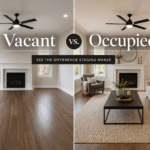
Vacant home staging involves furnishing and styling an empty property to help buyers understand its layout and potential. Occupied home staging focuses on improving the presentation of a home that is still being lived in, often by rearranging existing furniture, decluttering, and making targeted styling adjustments.
Both approaches can help improve buyer perception and create a stronger first impression. However, neither is automatically the right choice for every property.
Understanding the differences can help you make a more informed decision before your home goes on the market.
What Is Home Staging?
Home staging is the process of preparing and presenting a property to appeal to potential buyers.
Unlike decorating for personal enjoyment, staging focuses on the buyer’s experience. The goal is to make rooms feel functional, highlight the property’s best features, and help buyers visualize how they could use the space.
Professional home staging may involve furniture placement, lighting, accessories, decluttering, space planning, and recommendations for improvements before listing.
The extent of the work depends on the property’s needs. Some homes require a complete furniture installation, while others may benefit from a few strategic adjustments.
This is why a professional staging consultation can be useful: it helps identify which approach is appropriate for your home.
What Is Vacant Home Staging?
Vacant home staging is the process of furnishing and styling a property that is empty or mostly empty.
When homeowners move out before listing, rooms can feel bare and difficult to interpret. Buyers may struggle to understand the scale of a space, determine where furniture belongs, or imagine how different rooms could function.
Vacant staging provides visual context.
A staged living room demonstrates how seating can fit comfortably. A furnished dining area shows how the space can accommodate meals and gatherings. A thoughtfully arranged bedroom gives buyers a better sense of the room’s proportions.
Benefits of Vacant Home Staging
- It gives empty rooms a clear purpose.
Furniture helps buyers understand whether a space is suitable for a living area, dining room, home office, or guest bedroom.
- It demonstrates scale and functionality.
An empty room can make it difficult to judge furniture placement. Appropriate furnishings help buyers understand how the available space can be used.
- It creates a more inviting presentation.
Furniture, lighting, and carefully selected accessories can make an empty property feel warmer and more approachable.
- It supports listing photography.
Staged rooms can provide visual context that helps listing photos communicate the property’s layout and potential.
- It can highlight architectural features.
Strategic furniture placement can draw attention to fireplaces, windows, open layouts, and other desirable details without overwhelming the room.
When Is Vacant Staging a Good Choice?
Vacant home staging may be particularly useful for:
- Homeowners who have already moved out
- Relocation sellers
- Newly constructed homes
- Real estate investors preparing properties for sale
- Builders marketing completed homes
- Properties with large or unconventional rooms
- Homes that have remained empty during the selling process
For example, an investor selling a renovated property may have clean finishes and a modern kitchen, but an empty living room might make it difficult for buyers to understand the layout. Staging can help show how the room could function without changing the property’s actual structure.
What Is Occupied Home Staging?
Occupied home staging is designed for properties where the homeowner is still living in the home.
Rather than furnishing every room from scratch, the stager works with the existing furniture and belongings wherever practical. The process may involve removing unnecessary items, rearranging furniture, simplifying décor, improving lighting, and making each room feel more intentional.
The goal is to prepare the property for buyers while keeping it functional for everyday living.
Benefits of Occupied Home Staging
- It makes use of existing furniture.
You may already have pieces that work well for staging. A professional can identify which items to keep, reposition, remove, or supplement.
- It helps reduce visual clutter.
Everyday belongings can make rooms feel crowded. Simplifying countertops, shelves, and furniture arrangements helps buyers focus on the property.
- It improves room flow.
Furniture that works for daily living may not be arranged in the most effective way for showings. Adjusting the layout can create clearer pathways and better sightlines.
- It can create a cohesive presentation.
A stager can help simplify mismatched accessories, highly personalized décor, and distracting arrangements so the home feels more consistent throughout.
- It allows you to remain in your home.
For sellers who need to continue living in the property, occupied staging can improve presentation without requiring them to move out before the sale.
When Is Occupied Staging a Good Choice?
Occupied home staging may be appropriate for:
- Homeowners living in the property until closing
- Families preparing to sell while managing daily routines
- Sellers working with a limited preparation timeline
- Properties that already have suitable furniture
- Homes that need decluttering and furniture adjustments rather than a full installation
For example, a homeowner may have a comfortable living room with quality furniture, but an oversized chair blocks the walkway and the coffee table is crowded with personal items. Removing the chair and simplifying the surfaces may improve the presentation without requiring new furniture.
Vacant vs. Occupied Home Staging: The Main Differences
| Consideration | Vacant Staging | Occupied Staging |
| Property condition | Empty or mostly empty | Still furnished and lived in |
| Furniture | Furniture and accessories are brought in as needed | Existing furniture is usually evaluated and rearranged |
| Main objective | Establish scale, function, and warmth | Improve layout, reduce clutter, and refine presentation |
| Preparation | May involve delivery, installation, and styling | Often involves decluttering, editing, and rearranging |
| Daily living | Usually less disruptive when the seller has moved out | Requires the home to remain usable for the occupants |
| Best suited for | Vacant listings, new builds, and relocated sellers | Owner-occupied homes and sellers staying through the listing period |
The right choice isn’t necessarily the more extensive service. It is the approach that addresses the property’s specific presentation needs.
Which Option Is More Cost-Effective?
Cost is an important consideration when preparing to sell a home.
However, the cost of vacant versus occupied staging varies depending on the property, its size, the amount of furniture required, the service provider, and the duration of the staging period.
Occupied staging may be less expensive when suitable furniture is already available and only targeted adjustments are needed. However, some occupied homes require substantial editing or additional furnishings.
Vacant staging generally involves bringing furniture and accessories into the property, arranging the rooms, and coordinating installation and removal. The final cost depends on the scope of the project and the rental period.
How to Evaluate the Investment
Rather than choosing based on price alone, consider the following:
- What does the property currently need?
- Which rooms are most difficult for buyers to understand?
- Is the existing furniture suitable for staging?
- How competitive is the local market?
- What is your listing timeline?
- Which improvements will make the biggest difference to presentation?
A consultation can help you understand the level of service your home needs before you commit to a larger investment.
Staging cannot guarantee a higher selling price or faster sale. Its value lies in helping communicate the property’s features and potential more effectively.
How to Decide Which Staging Option Is Right for You
Choosing between vacant and occupied staging starts with evaluating your property honestly.
1. Consider Whether Your Furniture Helps or Hurts the Presentation
Look at each room from a buyer’s perspective.
Does the furniture fit comfortably? Are walkways clear? Can buyers see the home’s best features? Does every room have a recognizable purpose?
If your existing furniture works well but needs adjustment, occupied staging may be appropriate.
If the furniture is unsuitable, the property is empty, or the layout is difficult to understand, vacant staging may be worth considering.
2. Think About Your Moving Timeline
If you plan to move before listing, vacant staging may be easier to coordinate after your belongings are removed.
If you need to remain in the home, occupied staging can help you prepare while continuing your normal routines.
Your timeline also affects when staging should take place. Ideally, the property should be ready before professional listing photography and marketing begin.
3. Evaluate Your Property’s Layout
Some homes have spaces that buyers can understand immediately. Others have unusual layouts, open floor plans, or rooms that could serve multiple purposes.
An empty bonus room, for example, might be difficult to interpret. Staging it as an office, guest room, or flexible living area can help buyers see its possibilities.
In an occupied home, the same room may already contain furniture but need a clearer arrangement to communicate its intended use.
4. Establish a Realistic Budget
Determine how much you can comfortably invest in preparing the property.
Ask about the scope of services, furniture requirements, installation and removal, and any ongoing rental costs that may apply.
A professional stager can help prioritize the areas that deserve attention rather than automatically recommending a complete staging installation.
5. Ask for a Professional Assessment
You don’t have to decide between vacant and occupied staging on your own.
A professional consultation provides an opportunity to evaluate the home’s condition, layout, furniture, and selling goals. The resulting recommendations can help you choose an approach that makes sense for your situation.
Common Staging Mistakes to Avoid
Regardless of which option you choose, a few common mistakes can weaken your home’s presentation.
Leaving Rooms Without a Clear Purpose
An empty or cluttered room can leave buyers wondering how the space could be used. Consider how furniture placement or simplified styling can make its function more obvious.
Keeping Too Much Furniture
Furniture that works for everyday life may make a room feel crowded during showings. Removing unnecessary pieces can improve traffic flow and make the available space easier to understand.
Overpersonalizing the Property
Highly personalized décor and collections can distract buyers from the home itself. Simplifying these details can create a more broadly appealing presentation.
Ignoring Lighting and Cleanliness
Staging works best when the property is clean, well maintained, and adequately lit. Address visible maintenance concerns and make sure rooms feel fresh before photography.
Waiting Until the Last Minute
Leaving staging decisions until after photography can mean your listing doesn’t reflect the improvements you’ve made. Plan ahead so the home is ready before marketing begins.
Home Staging Checklist Before Listing
Use this checklist to prepare your property:
- Remove unnecessary clutter and personal belongings.
- Evaluate furniture size, placement, and condition.
- Make sure each room has a clear purpose.
- Improve lighting and open window coverings where appropriate.
- Clean visible surfaces, floors, windows, and fixtures.
- Address minor repairs and obvious maintenance concerns.
- Highlight architectural features and desirable spaces.
- Improve the front entrance and overall curb appeal.
- Decide whether existing furniture is suitable for staging.
- Schedule staging before professional photography.
- Ask a staging professional for recommendations tailored to your property.
Key Takeaways
Vacant and occupied home staging serve the same overall purpose: helping buyers understand and appreciate a property’s potential.
Vacant staging can provide scale, function, and warmth to empty rooms. Occupied staging can improve the presentation of a lived-in home by refining furniture placement, reducing clutter, and simplifying décor.
Neither option is automatically better. The right choice depends on the property’s condition, available furniture, selling timeline, budget, and marketing goals.
Professional staging can improve buyer perception and potentially increase interest or contribute to stronger offers, but outcomes depend on many factors, including pricing, location, property condition, and market demand.
Frequently Asked Questions
Is vacant home staging better than occupied staging?
Neither is universally better. Vacant staging can help buyers understand empty rooms, while occupied staging can improve the presentation of a home that is still being lived in. The best option depends on the property’s needs.
Is occupied home staging worth it?
It can be worthwhile when existing furniture is suitable but needs rearranging, editing, or simplifying. It can help improve room flow and reduce visual distractions without requiring the homeowner to move out.
Does vacant home staging cost more?
It can involve additional costs for furniture, accessories, delivery, installation, and rental periods. However, the total cost depends on the home’s size, the scope of staging, and the service provider.
Can I stage my home myself?
Yes. Decluttering, cleaning, improving lighting, and rearranging furniture can all help. A professional stager can offer an objective assessment and identify opportunities you may not notice yourself.
Should I stage my home before listing photos?
Ideally, yes. Completing staging before photography allows your listing images to reflect the property’s intended presentation and gives buyers a more accurate view of its potential.
Can staging help my home sell for more?
Staging cannot guarantee a higher selling price or a faster sale. However, it can help showcase the property’s features, improve buyer perception, and potentially support stronger interest depending on the market and the property.
Conclusion: Choose the Staging Strategy That Fits Your Home
Preparing a home for sale doesn’t have to mean starting from scratch or spending money on changes you don’t need.
The most effective staging approach begins with understanding your property and identifying what buyers need to see. For some homes, that means furnishing empty rooms to demonstrate scale and functionality. For others, it means making thoughtful adjustments to existing furniture and décor.
Both vacant and occupied staging can be valuable parts of a real estate marketing strategy when they are tailored to the property.
The key is choosing the approach that highlights your home’s strengths, addresses visual distractions, and supports your selling goals.
Not sure which staging option is right for your property?
Contact our team to schedule a personalized home staging consultation. We’ll help you evaluate your home’s needs, explore the available options, and create a staging strategy designed to present your property at its best.
Latest Posts
- Vacant vs. Occupied Home Staging: Which Option Is Right for You?
- Why Home Staging Is Worth the Investment When Selling Your Home
- What to Expect During a Professional Home Staging Consultation
- Top Home Staging Trends Buyers Love This Year
- What Every First-Time Home Seller Should Know About Home Staging
- How Realtors Can Win More Listings with Professional Home Staging
- Essential Home Staging Tips Before Your Listing Photos Are Taken
- Why High Interest Rates Make Home Staging More Important
- How Professional Home Staging Helps Homes Sell Faster
- 10 Home Staging Mistakes That Could Cost You Buyers
- Vacant vs. Occupied Home Staging: Which Is Right for You?
- Why Home Staging Is Worth the Investment When Selling Your Home
- Why Staging Matters, Even in a Seller’s Market
- Top 10 Tips for Staging a Home for Photos
- Luxe Minimalist Staging: Less Meets Wow
- House Staging Services: Transforming Homes to Attract More Buyers
- Is Professional Home Staging Worth the Cost?
- Eco-Staging on a Budget That Actually Works
- How to Style Your Bookshelf: Styling Tips Like a Design Pro
- Home Staging 101: What is Staging and Is it Necessary for Selling Your Home?