Essential Home Staging Tips Before Your Listing Photos Are Taken
Sep 10, 2026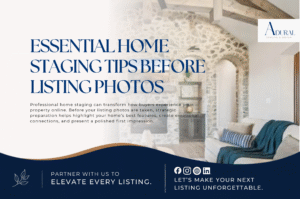
Introduction: Why Your Listing Photos Matter More Than Ever
Most buyers begin their home search online. Before scheduling a showing or walking through the front door, they are often making decisions based on listing photos.
This means your home’s online presentation plays a major role in how potential buyers perceive the property. A beautifully prepared home can create curiosity, encourage more interest, and help buyers imagine themselves living in the space.
However, even a great home can lose attention when photos highlight clutter, poor furniture placement, dark rooms, or unfinished details. That is where professional home staging becomes valuable.
Home staging is not simply decorating a home. It is the strategic process of preparing a property to appeal to the largest number of potential buyers by emphasizing its strengths and creating a welcoming atmosphere.
Before your photographer arrives, thoughtful staging decisions can help your listing photos look more polished, professional, and emotionally engaging.
What Is Home Staging and Why Does It Matter Before Photos?
Home staging is the preparation of a property through furniture arrangement, décor selection, organization, and visual improvements designed to showcase the home’s potential.
For sellers, the goal is to create a space that feels bright, functional, and inviting. For real estate professionals, well-staged photos can help present a property more effectively in competitive markets.
According to the National Association of REALTORS® (NAR), many buyers’ agents believe staging helps buyers visualize a property as a future home. While staging does not guarantee a faster sale or higher offer, it can influence buyer perception and create a stronger first impression.
Because listing photos are often the first interaction buyers have with a property, preparing your home before photography is an important step in the selling process.
Start With Decluttering: Create a Clean Visual Foundation
Remove Personal Items and Excess Décor
One of the most important steps before listing photos is reducing visual distractions.
Family photographs, collections, excessive decorations, and personal belongings can make it harder for buyers to imagine themselves in the home.
A staged home should feel warm and welcoming while allowing buyers to picture their own lifestyle in the space.
Consider removing:
- Excess furniture pieces
- Personal photographs
- Large collections
- Countertop appliances
- Overflowing bookshelves
- Seasonal decorations
The goal is not to make the home feel empty. Instead, create a balanced environment where the home’s features become the focus.
Organize Storage Areas
Many sellers overlook closets, cabinets, and storage spaces because they believe these areas will not appear important in photos.
However, buyers often judge storage capacity during showings. Overfilled closets can make storage areas appear smaller than they actually are.
Organize closets by:
- Removing unused items
- Keeping shelves neat
- Grouping similar items together
- Leaving some open space
A clean and organized home communicates that the property has been cared for.
Focus on Furniture Placement and Room Flow
Create Open, Functional Spaces
Furniture arrangement has a major impact on how a room appears in listing photos.
Large furniture pieces, crowded layouts, or blocked walkways can make rooms feel smaller. Strategic placement helps highlight the size, purpose, and flow of each area.
A professional home staging company understands how to position furniture to create balance and improve visual appeal.
For example, removing an oversized chair from a small living room may create more breathing room and help the space photograph better.
Highlight Each Room’s Purpose
Every room should have a clear function.
A spare room filled with random storage items may leave buyers wondering how the space can be used. Instead, staging can help transform it into a recognizable area such as:
- A home office
- Guest bedroom
- Reading area
- Flexible living space
Clear room purpose helps buyers understand the possibilities within the property.
Improve Lighting Before Your Listing Photoshoot
Maximize Natural Light
Lighting is one of the most important elements in real estate photography.
Bright, naturally lit rooms often feel more spacious and inviting. Before photos are taken:
- Open curtains and blinds
- Clean windows
- Remove heavy window coverings if appropriate
- Allow natural light to enter the room
Natural light can help highlight architectural details and create a more welcoming appearance.
Add Warm, Balanced Lighting
If a room feels dark, additional lighting can make a significant difference.
Replace outdated bulbs and ensure all fixtures are working properly. Use consistent lighting throughout the home to create a comfortable atmosphere.
Avoid overly harsh lighting that can make rooms feel cold or uninviting.
Pay Attention to High-Impact Areas
Refresh the Entryway
The entryway creates the first impression of the home.
Before photography, make sure the entrance feels clean and welcoming.
Simple improvements include:
- Removing unnecessary items
- Adding a simple decorative accent
- Cleaning the front door
- Creating a tidy walkway
A strong entryway helps set the tone for the entire property.
Style the Kitchen and Bathrooms
Kitchens and bathrooms are often important decision-making areas for buyers.
For listing photos:
- Clear countertops
- Remove excessive products
- Add simple decorative touches
- Use fresh towels
- Highlight attractive features
A clean, organized kitchen or bathroom allows buyers to focus on the quality and functionality of the space.
Add Strategic Décor for Emotional Appeal
Use Neutral, Timeless Styling
Professional staging often uses neutral colors and carefully selected décor because they appeal to a wider audience.
Neutral does not mean boring. The right combination of textures, furniture, artwork, and accessories can create warmth while maintaining broad appeal.
Examples include:
- Soft textiles
- Natural materials
- Simple artwork
- Coordinated accent pieces
Create Lifestyle Moments
Strong listing photos do more than show rooms. They help buyers imagine experiences.
A staged dining table can suggest entertaining friends. A comfortable reading chair can create a sense of relaxation. A thoughtfully arranged outdoor space can highlight lifestyle possibilities.
These details help create an emotional connection.
Prepare the Exterior for Better Listing Photos
The outside of the home is often the first image buyers see.
Before the photographer arrives:
- Trim landscaping
- Remove outdoor clutter
- Clean walkways
- Arrange patio furniture
- Add simple seasonal touches when appropriate
Curb appeal influences the initial impression buyers form before they enter the property.
Home Staging Checklist Before Listing Photos
Use this checklist before your photography appointment:
Whole Home
✓ Remove clutter and personal items
✓ Clean surfaces and windows
✓ Replace burned-out light bulbs
✓ Arrange furniture for better flow
✓ Create consistent styling throughout the home
Living Areas
✓ Remove unnecessary furniture
✓ Add inviting décor
✓ Highlight architectural features
Kitchen
✓ Clear countertops
✓ Organize cabinets and pantry areas
✓ Add simple styling elements
Bedrooms
✓ Make beds professionally
✓ Remove excess furniture
✓ Use coordinated bedding
Exterior
✓ Improve landscaping appearance
✓ Remove outdoor distractions
✓ Create a welcoming entrance
Common Home Staging Mistakes to Avoid
Waiting Until After Photos Are Scheduled
Many sellers think staging is only necessary before showings. However, online presentation is often the first opportunity to attract buyers.
Preparing early allows enough time to make thoughtful improvements.
Over-Personalizing the Space
A home should feel lived-in but not dominated by personal belongings.
Too many personal items can distract buyers from the property itself.
Trying to Highlight Everything
Not every item needs attention. Effective staging focuses on the strongest features of the home.
Highlight the spaces, details, and improvements that make the property memorable.
Key Takeaways
- Listing photos create a powerful first impression for online buyers.
- Home staging helps showcase a property’s strengths and improve buyer perception.
- Decluttering, lighting, furniture placement, and styling all influence how a home photographs.
- Professional staging can help create a more polished and market-ready presentation.
- Preparing before photography allows buyers to see the full potential of the property.
Frequently Asked Questions
1. How early should I stage my home before listing photos?
Ideally, home staging should begin before professional photography is scheduled. This allows time for decluttering, furniture adjustments, and styling improvements.
2. Is home staging only necessary for vacant homes?
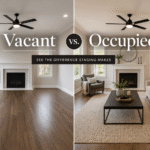
No. Both occupied and vacant homes can benefit from staging. Occupied homes may need editing and rearranging, while vacant properties often benefit from furniture and décor that create warmth and scale.
3. Can home staging improve my listing photos?
Yes. Strategic staging can help create cleaner compositions, highlight important features, and make photos more visually appealing to potential buyers.
4. Does staging guarantee a higher sale price?
No. Staging cannot guarantee a specific selling outcome. However, it can help improve presentation, influence buyer perception, and potentially support stronger interest.
5. Should I hire a professional home staging company?
A professional staging company can provide expertise in design, furniture placement, and buyer-focused presentation. This can be especially valuable when preparing a property for a competitive market.
Internal Linking Opportunities
Consider linking this article to:
- “How Professional Home Staging Helps Sell Your Home Faster”
- “Vacant Home Staging vs. Occupied Home Staging”
- “The Importance of First Impressions in Real Estate Marketing”
- “Room-by-Room Home Staging Checklist for Sellers”
- “How Real Estate Agents Can Use Staging to Market Listings”
Recommended External Resources
- National Association of REALTORS® — Research and insights about home buyer behavior and real estate trends.
- U.S. Department of Energy — Information about improving home lighting and energy efficiency.
- National Association of Home Builders — Resources related to housing trends and buyer preferences.
Conclusion: Make Your Listing Photos Work Harder
Great listing photos start before the camera arrives.
A well-prepared home allows buyers to focus on the property’s best features, understand the space, and connect emotionally with what they see online. Through thoughtful home staging, sellers and real estate professionals can create a stronger presentation that helps a property stand out in a competitive marketplace.
Whether you are preparing a single-family home, luxury property, investment property, or new construction project, professional staging can provide valuable guidance on how to present the space at its best.
Ready to prepare your property for impressive listing photos? Contact our team today to schedule a personalized home staging consultation and discover how strategic staging can help showcase your home’s full potential.
Latest Posts
- How Realtors Can Win More Listings with Professional Home Staging
- Essential Home Staging Tips Before Your Listing Photos Are Taken
- Why High Interest Rates Make Home Staging More Important
- How Professional Home Staging Helps Homes Sell Faster
- 10 Home Staging Mistakes That Could Cost You Buyers
- Vacant vs. Occupied Home Staging: Which Is Right for You?
- Why Home Staging Is Worth the Investment When Selling Your Home
- Why Staging Matters, Even in a Seller’s Market
- Top 10 Tips for Staging a Home for Photos
- Luxe Minimalist Staging: Less Meets Wow
- House Staging Services: Transforming Homes to Attract More Buyers
- Is Professional Home Staging Worth the Cost?
- Eco-Staging on a Budget That Actually Works
- How to Style Your Bookshelf: Styling Tips Like a Design Pro
- Home Staging 101: What is Staging and Is it Necessary for Selling Your Home?
- Multipurpose Staging Rooms That Show Flexibility
- Virtual Staging That Sells: How to Wow Buyers Without Lifting a Couch
- How Staging a House Transforms Its Value
- Rental Property Makeovers That Actually Pay Off
- Low Budget Home Staging That Still Looks High-End