Vacant vs. Occupied Home Staging: Which Is Right for You?
Aug 10, 2026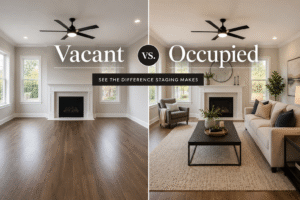
Vacant vs. Occupied Home Staging: Which Option Is Right for You?
Preparing your home for sale involves many important decisions, and one of the most common questions homeowners ask is whether they need vacant home staging or occupied home staging. The answer depends on your property’s current condition, your timeline, and your selling goals.
Professional home staging is designed to present your home in its best light, helping buyers visualize its potential while creating a welcoming first impression. Whether your property is completely empty or you’re still living in it, the right staging strategy can enhance your listing, improve buyer perception, and help your home stand out in a competitive market.
In this guide, we’ll explain the differences between vacant and occupied home staging, explore the advantages of each, and help you determine which option is the best fit for your situation.
What Is Home Staging?
Home staging is the strategic preparation of a property before it goes on the market. Rather than decorating for personal taste, staging focuses on showcasing the home’s layout, functionality, and most attractive features.
Professional staging may include:
- Furniture arrangement
- Modern décor and artwork
- Lighting enhancements
- Space planning
- Decluttering recommendations
- Accessory styling
- Color coordination
The goal is simple: help buyers picture themselves living in the home.
What Is Vacant Home Staging?
Vacant home staging involves furnishing and styling an empty property using professionally selected furniture, artwork, rugs, lighting, and accessories.
Instead of showing buyers bare rooms with little visual context, a staged vacant home demonstrates how each space can be used while creating warmth and personality.
Vacant staging is commonly used for:
- Newly built homes
- Investment properties
- Model homes
- Estate sales
- Relocation properties
- Homes where the owners have already moved out
Benefits of Vacant Home Staging
Helps Buyers Understand Room Sizes
Empty rooms often appear smaller than they actually are.
Adding properly scaled furniture allows buyers to better understand how each room functions and whether their own belongings will fit comfortably.
Creates a More Inviting Atmosphere
A vacant house can feel cold and impersonal.
Professional furniture, carefully chosen accessories, and thoughtful styling make the property feel welcoming while creating an emotional connection with buyers.
Improves Listing Photography
Most buyers begin their search online.
Professionally staged rooms photograph beautifully, helping your listing capture attention and encouraging more potential buyers to schedule a showing.
Highlights Architectural Features
Vacant staging draws attention to features such as:
- Fireplaces
- High ceilings
- Open floor plans
- Large windows
- Built-in shelving
- Spacious kitchens
Instead of focusing on empty walls, buyers notice the home’s best qualities.
What Is Occupied Home Staging?
Occupied home staging is designed for sellers who continue living in their home while it is listed for sale.
Rather than replacing all furniture, professional stagers work with your existing furnishings and recommend updates that make the home more appealing to buyers.
These updates may include:
- Rearranging furniture
- Removing excess décor
- Decluttering storage areas
- Improving lighting
- Neutralizing color schemes
- Adding complementary accessories
The result is a polished, buyer-friendly presentation while allowing homeowners to remain comfortable throughout the selling process.
Benefits of Occupied Home Staging
Saves Time and Resources
Because many existing furnishings remain in place, occupied staging often requires fewer furnishings than staging a completely empty home.
This allows homeowners to enhance their home’s appearance without starting from scratch.
Maintains a Lived-In Feel
A thoughtfully staged occupied home feels warm and welcoming while still allowing buyers to envision themselves in the space.
The key is reducing distractions and emphasizing the home’s features rather than the homeowner’s personal style.
Makes Everyday Spaces Feel Larger
Professional staging often involves removing unnecessary furniture and accessories.
Creating additional open space improves traffic flow and makes rooms feel brighter and more spacious.
Helps Buyers Focus on the Home
Personal collections, family photographs, and highly customized décor can make it difficult for buyers to picture themselves living there.
Occupied staging balances personality with neutrality, allowing buyers to connect with the property instead of its current owners.
Vacant vs. Occupied Home Staging: Side-by-Side Comparison
| Feature | Vacant Home Staging | Occupied Home Staging |
| Furniture Provided | Yes | Mostly Existing Furniture |
| Best For | Empty Homes | Homes Still Being Lived In |
| Buyer Experience | Demonstrates Room Function | Enhances Existing Spaces |
| Photography | Fully Styled Rooms | Refreshed, Buyer-Friendly Rooms |
| Personal Belongings | None | Minimized and Organized |
| Flexibility | Complete Design Control | Works Around Existing Layout |
Both approaches are effective when tailored to the property’s needs. The right choice depends on your circumstances rather than one option being universally better.
How to Decide Which Option Is Right for You
Choose Vacant Home Staging If:
- Your home is completely empty.
- Buyers may struggle to visualize room layouts.
- You’re selling a newly built property.
- The home is an investment or rental property.
- You have already relocated.
Vacant homes often benefit significantly from professional furnishings because they provide scale, warmth, and visual appeal.
Choose Occupied Home Staging If:
- You’re still living in the home.
- Your furniture is in good condition.
- You want to prepare your home without moving out.
- You need practical recommendations rather than a full furniture installation.
- You want to maximize your home’s appeal while maintaining daily functionality.
Occupied staging works best when homeowners are willing to make recommended updates before showings.
Why Professional Staging Makes a Difference
Whether your property is vacant or occupied, professional home staging goes beyond arranging furniture.
Experienced stagers understand:
- Buyer psychology
- Space planning
- Color balance
- Furniture scale
- Traffic flow
- Current design trends
- Real estate marketing
Their expertise helps create spaces that photograph well, feel inviting, and showcase the property’s strongest features.
According to the National Association of Realtors (NAR), many buyers’ agents report that staging makes it easier for clients to visualize a property as their future home. While every sale is unique, thoughtful presentation can positively influence buyer perception during the home-buying process.
Actionable Home Staging Checklist
Before scheduling professional staging, prepare your home by:
- Deep cleaning every room.
- Removing unnecessary furniture.
- Organizing closets and storage spaces.
- Completing small repairs.
- Replacing burned-out light bulbs.
- Cleaning windows.
- Refreshing landscaping and entryways.
- Removing overly personal décor.
- Ensuring every room has a defined purpose.
- Booking a professional staging consultation.
Common Mistakes to Avoid
Avoid these common staging mistakes that can reduce buyer appeal:
- Leaving vacant rooms completely empty.
- Keeping oversized furniture in small spaces.
- Displaying excessive personal photographs.
- Ignoring curb appeal.
- Using strong fragrances to mask odors.
- Overdecorating rooms with accessories.
- Skipping professional photography after staging.
Small presentation issues can influence how buyers perceive your home.
Key Takeaways
Both vacant and occupied home staging offer valuable advantages.
Vacant staging helps transform empty spaces into inviting homes, while occupied staging enhances your existing furnishings to create a clean, polished appearance.
The right choice depends on your home’s condition, your budget, and your selling goals. A professional home staging consultation can help determine which approach will best showcase your property and support your overall marketing strategy.
Frequently Asked Questions
Which is more effective: vacant or occupied home staging?
Neither option is universally better. Vacant staging is often ideal for empty homes, while occupied staging works well when sellers are still living in the property. The best choice depends on your home’s current condition and your goals.
Is vacant home staging worth it?
For many sellers, furnishing an empty home helps buyers understand room layouts and creates a more welcoming atmosphere. It can also improve listing photography and enhance the property’s overall presentation.
Can I stay in my home during occupied staging?
Yes. Occupied staging is specifically designed for homeowners who continue living in their property while it is listed. Professional stagers provide recommendations that balance everyday living with buyer appeal.
How long does home staging take?
The timeline varies depending on the size of the property and the scope of work. A professional consultation can provide a more accurate estimate based on your specific needs.
Do I need professional staging if my home is already beautifully decorated?
Even well-decorated homes can benefit from professional staging. A stager evaluates your home from a buyer’s perspective and may recommend subtle adjustments that improve flow, highlight key features, and create broader appeal.
Conclusion
Whether your home is vacant or occupied, presentation plays a major role in creating a memorable first impression. Buyers want to walk into a space that feels welcoming, functional, and easy to imagine as their own.
Vacant home staging brings life to empty properties, while occupied home staging enhances the spaces you already live in. Both approaches are designed to highlight your home’s strengths, improve buyer perception, and support a successful marketing strategy.
Choosing the right staging solution doesn’t have to be overwhelming. With professional guidance, you can confidently prepare your property for today’s market and showcase its full potential.
Ready to Find the Right Staging Solution?
Every home is unique, and so is every selling journey. Whether your property is vacant, occupied, newly built, or an investment home, our professional staging team can recommend the best approach based on your goals.
Schedule a personalized home staging consultation today and let us help you create a space that captures buyers’ attention from the very first showing.
Latest Posts
- Vacant vs. Occupied Home Staging: Which Option Is Right for You?
- Why Home Staging Is Worth the Investment When Selling Your Home
- What to Expect During a Professional Home Staging Consultation
- Top Home Staging Trends Buyers Love This Year
- What Every First-Time Home Seller Should Know About Home Staging
- How Realtors Can Win More Listings with Professional Home Staging
- Essential Home Staging Tips Before Your Listing Photos Are Taken
- Why High Interest Rates Make Home Staging More Important
- How Professional Home Staging Helps Homes Sell Faster
- 10 Home Staging Mistakes That Could Cost You Buyers
- Vacant vs. Occupied Home Staging: Which Is Right for You?
- Why Home Staging Is Worth the Investment When Selling Your Home
- Why Staging Matters, Even in a Seller’s Market
- Top 10 Tips for Staging a Home for Photos
- Luxe Minimalist Staging: Less Meets Wow
- House Staging Services: Transforming Homes to Attract More Buyers
- Is Professional Home Staging Worth the Cost?
- Eco-Staging on a Budget That Actually Works
- How to Style Your Bookshelf: Styling Tips Like a Design Pro
- Home Staging 101: What is Staging and Is it Necessary for Selling Your Home?