How Professional Home Staging Helps Homes Sell Faster
Aug 25, 2026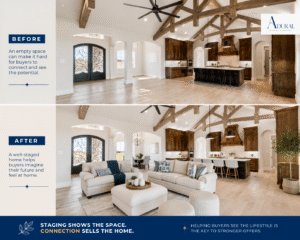
Selling a home can be a competitive process. Even a well-maintained property can struggle to attract attention if its presentation doesn’t immediately connect with buyers.
Today’s buyers often encounter a property online before they ever step through the front door. Listing photos, room layouts, and the overall appearance of a home can influence whether someone decides to schedule a showing.
This is where professional home staging can make a difference.
Home staging is more than decorating a property. It is a strategic approach to preparing a home for the market by highlighting its best features, improving the flow of each space, and creating an environment where buyers can envision themselves living there.
While staging cannot guarantee a faster sale or a specific selling price, it can strengthen your home’s presentation, increase buyer interest, and help your property compete more effectively with other listings.
What Is Professional Home Staging?
Professional home staging involves preparing and styling a property specifically for the selling process.
Unlike personal interior decorating, staging is not about creating a space that reflects the current owner’s individual taste. Instead, the goal is to create a welcoming and broadly appealing environment that allows buyers to focus on the property’s potential.
A professional stager may evaluate:
- Furniture placement
- Room proportions
- Lighting
- Color balance
- Décor
- Traffic flow
- Curb appeal
- Buyer expectations
- Listing photography
Depending on the property, staging may involve bringing in furniture and accessories, rearranging existing pieces, decluttering, or making recommendations for improvements.
Why First Impressions Matter When Selling a Home
A buyer’s first impression can begin before they arrive at the property.
Online listings give buyers access to hundreds of homes, making it important for a property to capture attention quickly. If the photos show dark rooms, cluttered spaces, or awkward furniture arrangements, buyers may move on to the next listing.
Professional staging helps create a more polished presentation.
A thoughtfully staged room can communicate:
- How the space can be used
- How furniture fits within the room
- Which features deserve attention
- How rooms connect to one another
- What it might feel like to live there
The objective is not to make the home look unrealistic. It is to make the property’s strengths easier for buyers to see.
How Home Staging Can Help Attract More Buyers
1. It Makes Listing Photos More Appealing
For many buyers, the online listing is their first experience with a property.
Professionally staged homes are designed with photography in mind. Furniture placement, lighting, accessories, and room composition can create images that are more visually balanced and inviting.
Better presentation can encourage buyers to spend more time looking through the listing and potentially take the next step toward scheduling a showing.
Why This Matters
A beautifully presented home has a better opportunity to stand out when buyers are comparing multiple properties online.
Professional staging and professional real estate photography can work together to create a stronger marketing package.
2. It Helps Buyers Visualize Themselves Living There
One of the biggest challenges of selling an empty or highly personalized home is helping buyers imagine the property as their own.
An empty room may leave buyers wondering:
“What would I put here?”
“Would my furniture fit?”
“What is this room supposed to be used for?”
Staging provides answers through visual context.
A properly furnished living room demonstrates scale and functionality. A staged bedroom creates a sense of purpose. A thoughtfully arranged dining area shows buyers how the space could be used.
This can make the home easier to understand and remember.
3. It Highlights the Property’s Best Features
Every home has features worth highlighting.
It might be:
- A large kitchen island
- An open floor plan
- A fireplace
- Large windows
- High ceilings
- A spacious primary bedroom
- Architectural details
- Outdoor living space
Without strategic staging, these features may not receive the attention they deserve.
Professional stagers use furniture placement, lighting, and décor to direct attention toward the property’s strongest selling points.
4. It Makes Rooms Feel More Functional
Buyers want to understand how a property works.
A room filled with oversized furniture can feel cramped. On the other hand, a completely empty room may feel difficult to interpret.
Professional staging creates balance.
Furniture is selected and positioned to demonstrate appropriate scale while maintaining comfortable walkways and clear sightlines.
This helps buyers understand the home’s layout and how the available space can function in everyday life.
5. It Creates an Emotional Connection
Buying a home is not purely a financial decision.
Buyers also think about how they will feel living in the property.
A warm living room can suggest evenings spent relaxing with family. A welcoming dining area can suggest hosting friends. A comfortable bedroom can communicate a sense of rest and privacy.
These emotional cues can make a property more memorable.
Professional staging uses design intentionally to create a feeling that complements the home’s architecture and target market.
6. It Helps Reduce Distractions
Personal belongings can sometimes distract buyers from the property itself.
Family photographs, collections, excessive decorations, and crowded furniture can make it difficult for buyers to focus on the home’s features.
Staging helps create a more neutral presentation.
The goal is not to remove every sign of personality. Instead, it is to reduce visual distractions so buyers can focus on the space and imagine how they might make it their own.
7. It Can Make a Vacant Property Feel More Inviting
Vacant homes can be particularly challenging to market.
Without furniture, rooms can feel cold and their proportions may be difficult to understand. Buyers may also have trouble determining whether their furniture would fit.
Vacant home staging provides scale and context.
A professionally staged property allows buyers to see how rooms can function while creating a warmer, more welcoming atmosphere.
For newly constructed homes, investment properties, and homes where the seller has already moved, vacant staging can be especially useful.
8. It Can Improve an Occupied Home’s Presentation
Home staging isn’t only for empty properties.
Occupied homes can also benefit from professional staging recommendations.
A stager may suggest:
- Removing excess furniture
- Rearranging existing pieces
- Decluttering countertops
- Simplifying décor
- Neutralizing highly personalized rooms
- Improving lighting
- Refreshing entryways
- Reorganizing storage areas
These changes can help an occupied property look cleaner, brighter, and more spacious while allowing the seller to continue living in the home.
How Staging Can Support a Faster-Selling Strategy
It is important to understand that home staging does not guarantee a faster sale.
Selling time depends on many factors, including pricing, location, market conditions, property condition, buyer demand, and marketing strategy.
However, presentation is one factor sellers can control.
A well-staged home can help create a stronger first impression, generate greater visual appeal online, and make in-person showings more engaging.
In a competitive market, those advantages can help a listing stand out.
Home Staging and Buyer Perception
Buyers don’t experience a home by looking at square footage and room counts alone. They also evaluate how a property looks and feels.
Professional staging can influence that experience by creating:
A Sense of Space
Strategic furniture placement can make rooms easier to navigate and understand.
A Sense of Function
Furniture helps demonstrate how each room can be used.
A Sense of Quality
Cohesive styling can create a polished and well-maintained impression.
A Sense of Possibility
Buyers can begin imagining how they might live, entertain, relax, and make memories in the property.
These impressions can contribute to stronger buyer engagement.
Practical Home Staging Checklist
Before your home goes on the market, consider these steps:
- Remove unnecessary furniture.
- Declutter countertops, shelves, and closets.
- Remove excessive personal photographs and collections.
- Deep clean the property.
- Open curtains and blinds to maximize natural light.
- Replace burned-out or mismatched light bulbs.
- Complete minor repairs.
- Improve curb appeal.
- Give every room a clear purpose.
- Arrange furniture to create comfortable traffic flow.
- Schedule professional photography after staging.
- Consult a professional home stager before listing.
Common Mistakes That Can Work Against Your Listing
Even when sellers understand the value of presentation, several mistakes can reduce buyer appeal.
Overcrowding Rooms
Too much furniture can make a home feel smaller and less functional.
Using Highly Personalized Décor
Bold personal styles may appeal to the homeowner but distract buyers who have different tastes.
Ignoring Empty Spaces
Vacant rooms can be difficult for buyers to visualize without appropriate furniture and scale.
Neglecting the Exterior
The selling experience begins at the front entrance. Landscaping, walkways, doors, and exterior maintenance all contribute to the first impression.
Staging but Using Poor Photography
A beautifully staged home still needs quality photography to communicate its presentation to online buyers.
Why Professional Staging Can Be a Smart Investment
Some sellers hesitate to invest in staging because they see it as an additional selling expense.
However, professional staging should be viewed as part of the property’s marketing strategy rather than simply an interior design service.
The purpose is to help the home compete for attention.
A professional stager can identify presentation issues that sellers may overlook because they are accustomed to living in the property. An outside perspective can reveal where furniture needs to be adjusted, which areas need to be simplified, and which features should receive greater emphasis.
The result is a more intentional presentation designed around the buyer experience.
Key Takeaways
Professional home staging can support your selling strategy by:
- Creating a stronger first impression
- Improving the appearance of listing photos
- Helping buyers visualize themselves in the home
- Highlighting desirable property features
- Demonstrating how rooms can function
- Reducing visual distractions
- Creating a more inviting atmosphere
- Helping your listing stand out from competing properties
Staging cannot guarantee a faster sale or higher offer. However, presenting a home thoughtfully gives buyers a better opportunity to recognize its value and imagine themselves living there.
Frequently Asked Questions
Does home staging really help a home sell faster?
Home staging can improve a property’s presentation and buyer appeal, but it cannot guarantee a specific selling timeline. Market conditions, pricing, location, and buyer demand also influence how quickly a property sells.
Is staging worth it for an occupied home?
Yes. Occupied staging can help improve furniture placement, reduce clutter, neutralize personal décor, and make rooms feel more spacious and inviting without requiring the seller to move out.
Should I stage my home before taking listing photos?
Yes. Staging should generally be completed before professional listing photography so the images accurately represent the home’s strongest presentation.
Is vacant home staging necessary?
Not every vacant property requires the same level of staging, but furniture can help buyers understand room proportions, functionality, and layout. A professional consultation can help determine whether vacant staging is appropriate.
Can staging increase the selling price?
Staging does not guarantee a higher selling price. However, by improving presentation and buyer perception, it may contribute to stronger interest and potentially more competitive offers depending on the property and market.
When should I stage my home?
Ideally, staging should be considered before professional photography and before the property is actively marketed. Planning early gives you time to address recommended improvements without delaying your listing.
Conclusion
Selling a home successfully starts with making buyers want to take a closer look.
Professional home staging helps turn that first look into a stronger experience by presenting the property in a way that feels welcoming, functional, and easy to imagine as home.
From improving listing photos to highlighting architectural features and creating an emotional connection, staging can be a valuable part of a comprehensive real estate marketing strategy.
Every property is different, which is why the best staging approach should be based on the home’s condition, layout, target buyers, and selling goals.
Ready to Make a Stronger First Impression?
Your home deserves to be presented at its best.
Whether you’re preparing a vacant property, refreshing an occupied home, or getting a new listing ready for the market, a professional staging consultation can help identify the right strategy for your property.
Contact our home staging team today to schedule a personalized consultation and discover how strategic staging can help your home stand out, attract buyer attention, and showcase its full potential.
Latest Posts
- Vacant vs. Occupied Home Staging: Which Option Is Right for You?
- Why Home Staging Is Worth the Investment When Selling Your Home
- What to Expect During a Professional Home Staging Consultation
- Top Home Staging Trends Buyers Love This Year
- What Every First-Time Home Seller Should Know About Home Staging
- How Realtors Can Win More Listings with Professional Home Staging
- Essential Home Staging Tips Before Your Listing Photos Are Taken
- Why High Interest Rates Make Home Staging More Important
- How Professional Home Staging Helps Homes Sell Faster
- 10 Home Staging Mistakes That Could Cost You Buyers
- Vacant vs. Occupied Home Staging: Which Is Right for You?
- Why Home Staging Is Worth the Investment When Selling Your Home
- Why Staging Matters, Even in a Seller’s Market
- Top 10 Tips for Staging a Home for Photos
- Luxe Minimalist Staging: Less Meets Wow
- House Staging Services: Transforming Homes to Attract More Buyers
- Is Professional Home Staging Worth the Cost?
- Eco-Staging on a Budget That Actually Works
- How to Style Your Bookshelf: Styling Tips Like a Design Pro
- Home Staging 101: What is Staging and Is it Necessary for Selling Your Home?