What Every First-Time Home Seller Should Know About Home Staging
Sep 23, 2026
Selling your first home is a major milestone. It can also come with a long list of questions.
How should you prepare the property? Should you make renovations? Do you need new furniture? Should you remove your personal belongings? And most importantly, is professional home staging really necessary?
You don’t need to completely transform your home before putting it on the market. However, how your property looks and feels can influence how potential buyers experience it.
Home staging is a strategic way to prepare a property for sale. It helps showcase the home’s strengths, improve the flow of each space, and give buyers a clearer idea of how they could live in the property.
For first-time sellers, understanding what staging does—and what it doesn’t do—can make the selling process much easier.
What Is Home Staging?
Home staging is the process of preparing a property specifically for the real estate market.
Unlike decorating, which is usually based on the homeowner’s personal style, staging focuses on creating a welcoming and broadly appealing environment for potential buyers.
Professional home staging can involve:
- Furniture arrangement
- Decluttering
- Space planning
- Décor and accessories
- Lighting improvements
- Neutralizing highly personalized spaces
- Highlighting architectural features
- Improving room functionality
- Recommendations for repairs or updates
The goal isn’t to make your home look like someone else’s home.
The goal is to help buyers see the potential and value of your property.
Why Does Home Staging Matter for First-Time Sellers?
If you’ve lived in your home for several years, you probably see it differently from a potential buyer.
You know where everything belongs. You understand how you use each room. You may not even notice the clutter or furniture arrangement anymore because it has become part of your everyday environment.
Buyers don’t have that familiarity.
They are seeing the property for the first time and evaluating it based on what they can see, feel, and imagine.
Professional home staging provides an outside perspective that helps shift the focus from how you live in the home to how buyers experience the home.
Your Home Is Being Marketed, Not Just Shown
One of the biggest things first-time sellers should understand is that selling a home is a marketing process.
Your property will likely appear on real estate websites, social media, email campaigns, and other marketing channels. Buyers may see photos of your home several times before deciding whether they want to schedule a showing.
That means presentation matters before a buyer ever walks through the front door.
A staged home can help create:
- A stronger first impression
- More visually appealing listing photos
- Clearer room functionality
- Better flow between spaces
- A more inviting atmosphere
- A stronger sense of the home’s potential
Staging doesn’t guarantee that your home will sell faster or for more money. However, it can help make the property easier for buyers to understand and appreciate.
Start With the Basics Before Staging
Before bringing in furniture or accessories, your home needs a solid foundation.
Declutter
Start by removing items you don’t need for everyday living.
Look at:
- Kitchen countertops
- Bathroom counters
- Closets
- Bookshelves
- Entryways
- Garage areas
- Storage spaces
You don’t necessarily have to throw things away. Consider packing items you don’t regularly use and storing them elsewhere.
A less crowded home gives buyers more room to focus on the property itself.
Deep Clean
Cleanliness can significantly affect how buyers perceive a home.
Pay attention to areas that are easy to overlook, including:
- Windows
- Baseboards
- Light fixtures
- Appliances
- Bathroom surfaces
- Floors
- Cabinets
- Doors and handles
A clean home allows staging to work more effectively because buyers can focus on the property’s features rather than maintenance distractions.
Depersonalizing Doesn’t Mean Removing Everything
One common concern among first-time sellers is the idea that staging requires them to completely remove their personality from the home.
That’s not necessarily the case.
The goal is to reduce distractions that make it difficult for buyers to imagine themselves living there.
Family photographs, large collections, highly personalized artwork, or very specific décor may be temporarily packed away.
In their place, a stager may recommend simpler artwork and accessories that create warmth without dominating the room.
Think of it as creating a blank canvas while still making the home feel inviting.
Don’t Automatically Renovate Everything
First-time sellers sometimes assume they need to spend thousands of dollars renovating their home before listing it.
That’s not always necessary.
A professional staging consultation can help you distinguish between improvements that may be useful and projects that may not provide meaningful value for your particular property.
You may only need to address smaller issues such as:
- Touch-up painting
- Replacing outdated light fixtures
- Fixing loose hardware
- Improving furniture placement
- Removing excess décor
- Refreshing the entryway
- Updating small visual details
The goal is to prepare the property strategically rather than spending money simply for the sake of making changes.
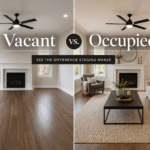
Vacant vs. Occupied Home Staging
First-time sellers should also understand that home staging isn’t limited to empty properties.
Occupied Home Staging
If you’re still living in your home, an occupied staging approach can work around your existing furniture and belongings.
A professional stager may recommend:
- Removing oversized furniture
- Rearranging pieces
- Reducing clutter
- Simplifying décor
- Improving lighting
- Reorganizing rooms
- Removing highly personal items
You can continue living in the home while making it more appealing to potential buyers.
Vacant Home Staging
If you’ve already moved out, vacant home staging can help give empty rooms scale and purpose.
An empty living room can be difficult for buyers to interpret. Properly selected furniture can demonstrate how much space is available and how the room could function.
Vacant staging can be particularly useful for newly built homes, investment properties, and properties where the seller has already relocated.
Focus on the Rooms Buyers Notice Most
You don’t necessarily need to treat every room exactly the same.
Prioritize spaces that are likely to influence the overall experience of the property.
Living Room
Create an inviting arrangement that demonstrates conversation, relaxation, and comfortable movement.
Avoid pushing too much furniture against the walls or overcrowding the room.
Kitchen
Keep countertops as clear as possible.
The kitchen should feel clean, functional, and spacious. A few carefully selected accessories can add warmth without creating clutter.
Primary Bedroom
Aim for a calm, comfortable environment.
Use appropriately sized furniture and neutral bedding to create a polished appearance.
Bathrooms
Cleanliness is especially important.
Remove unnecessary countertop items, organize personal products, and make sure the room feels fresh and well maintained.
Entryway
Don’t overlook the first space buyers encounter when they enter the home.
A clean, organized, welcoming entry can help establish a positive impression for the rest of the showing.
Don’t Forget the Exterior
Your home doesn’t begin at the front door.
The exterior is part of the buyer’s first impression.
Before listing, consider:
- Mowing and maintaining the lawn
- Trimming overgrown plants
- Cleaning walkways
- Removing unnecessary items
- Cleaning the front door
- Updating worn exterior details
- Adding simple seasonal landscaping
You don’t necessarily need an expensive landscaping project. The objective is to create a clean and cared-for entrance.
Professional Photography Comes After Preparation
Once your home has been cleaned, prepared, and staged, professional photography becomes an important part of the marketing process.
Your listing photos should accurately communicate the property’s strongest qualities.
A well-staged home photographed professionally can show:
- Room proportions
- Furniture placement
- Natural light
- Architectural features
- Flow between spaces
- Overall atmosphere
For buyers browsing online, these images may determine whether they continue exploring the property or move on to another listing.
Common Home Staging Mistakes First-Time Sellers Make
Trying to Stage Without Removing Clutter
Adding attractive décor won’t solve a room that’s already overcrowded.
Start with decluttering before adding anything new.
Keeping Oversized Furniture
Furniture that works for everyday living may not work well for selling.
Large pieces can make rooms feel smaller and interfere with traffic flow.
Using Too Much Personal Décor
Your home should still feel warm, but highly personalized spaces can make it harder for buyers to imagine themselves living there.
Ignoring the Exterior
A beautiful interior cannot completely compensate for a neglected entrance.
Making Expensive Changes Without a Strategy
Not every renovation will provide the same value. Get professional guidance before committing to major projects.
Waiting Until the Last Minute
Staging is most effective when it is considered before listing photos and marketing begin.
Give yourself enough time to prepare the property properly.
A First-Time Seller’s Home Staging Checklist
Before your home goes on the market, work through this checklist:
Before staging:
- Declutter each room.
- Organize closets and storage spaces.
- Deep clean the property.
- Complete visible minor repairs.
- Remove unnecessary personal items.
- Evaluate furniture size and placement.
During staging:
- Give every room a clear purpose.
- Improve traffic flow.
- Maximize natural light.
- Use neutral and cohesive décor.
- Highlight the home’s strongest features.
- Address spaces that feel empty, dark, or crowded.
Before listing:
- Complete curb appeal improvements.
- Schedule professional photography.
- Review the listing presentation.
- Make sure the home is ready for showings.
How Professional Staging Can Help
First-time sellers don’t have to figure everything out alone.
A professional home stager provides an objective perspective on the property and can identify details that homeowners may overlook.
Instead of asking, “What do I personally like?”, staging asks:
“What will help potential buyers understand and appreciate this property?”
That difference is important.
Professional staging can help improve buyer perception, make spaces easier to visualize, and create a more cohesive presentation across the listing.
While staging cannot guarantee a particular selling price, offer, or timeline, it can be a valuable part of a broader marketing strategy.
Key Takeaways for First-Time Sellers
If you’re selling your home for the first time, remember:
- Staging is marketing, not simply decorating.
- Buyers need to understand how spaces function.
- Decluttering and cleaning should come before styling.
- You don’t necessarily need major renovations.
- Occupied and vacant homes can both benefit from staging.
- Listing photos are an important part of your home’s presentation.
- Professional guidance can help you prioritize what actually needs to change.
- Staging can improve buyer perception and potentially support stronger interest or offers, but it cannot guarantee a specific result.
Most importantly, don’t wait until your home is already listed to think about presentation.
Preparing early gives you more time to make thoughtful decisions.
Frequently Asked Questions
Is home staging necessary for first-time sellers?
Not every property requires the same level of staging. However, professional staging can help identify presentation issues and opportunities that may be difficult for homeowners to see themselves.
How much does home staging cost?
The cost varies depending on factors such as the property’s size, location, condition, and whether it requires occupied or vacant staging. A consultation can provide a more accurate recommendation based on the property.
Should I stage my home if I’m still living in it?
Yes. Occupied home staging is specifically designed for sellers who continue living in their property. The process can involve rearranging furniture, decluttering, and making strategic presentation improvements.
Should I renovate before staging?
Not necessarily. Some homes may benefit from updates, while others may only need cleaning, decluttering, repairs, or strategic staging. It’s helpful to evaluate the property before committing to major renovations.
When should I stage my home?
Ideally, consider staging before professional photography and before the property is actively marketed. Starting early gives you time to address recommendations without rushing.
Can home staging guarantee that my home sells faster?
No. Staging cannot guarantee a specific selling timeline or price. Market conditions, pricing, location, property condition, and buyer demand all influence the outcome. Staging can, however, improve presentation and buyer appeal.
Conclusion
Selling a home for the first time doesn’t have to mean figuring everything out through trial and error.
The most important thing to remember about home staging is that you’re no longer preparing the property only for yourself. You’re preparing it for potential buyers who are seeing it with fresh eyes.
A clean, organized, thoughtfully staged home gives buyers a clearer understanding of the space and helps them imagine what living there could look like.
From occupied staging and vacant staging to furniture placement, decluttering, and professional photography, each step contributes to the overall presentation.
And you don’t have to make every decision on your own.
Ready to Prepare Your Home for the Market?
If you’re selling your home for the first time, start with a strategy—not guesswork.
A professional home staging consultation can help you understand what your property needs, which areas deserve attention, and how to present the home in a way that appeals to today’s buyers.
Contact our home staging team today to schedule a personalized consultation and take the first step toward showcasing your home at its full potential.
Latest Posts
- Vacant vs. Occupied Home Staging: Which Option Is Right for You?
- Why Home Staging Is Worth the Investment When Selling Your Home
- What to Expect During a Professional Home Staging Consultation
- Top Home Staging Trends Buyers Love This Year
- What Every First-Time Home Seller Should Know About Home Staging
- How Realtors Can Win More Listings with Professional Home Staging
- Essential Home Staging Tips Before Your Listing Photos Are Taken
- Why High Interest Rates Make Home Staging More Important
- How Professional Home Staging Helps Homes Sell Faster
- 10 Home Staging Mistakes That Could Cost You Buyers
- Vacant vs. Occupied Home Staging: Which Is Right for You?
- Why Home Staging Is Worth the Investment When Selling Your Home
- Why Staging Matters, Even in a Seller’s Market
- Top 10 Tips for Staging a Home for Photos
- Luxe Minimalist Staging: Less Meets Wow
- House Staging Services: Transforming Homes to Attract More Buyers
- Is Professional Home Staging Worth the Cost?
- Eco-Staging on a Budget That Actually Works
- How to Style Your Bookshelf: Styling Tips Like a Design Pro
- Home Staging 101: What is Staging and Is it Necessary for Selling Your Home?