Top Home Staging Trends Buyers Love This Year
Sep 30, 2026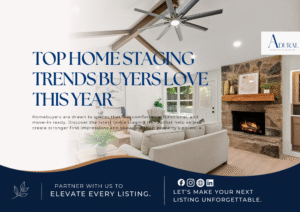
Top Home Staging Trends Buyers Love This Year
Introduction: Creating a Home Buyers Can Picture Themselves Living In
Selling a home is about more than listing square footage, bedrooms, and upgrades. Buyers are making emotional decisions based on how a property feels the moment they walk through the door.
A beautifully prepared home can help potential buyers visualize their future lifestyle, understand the purpose of each space, and connect with the property on a deeper level. This is where professional home staging becomes a valuable part of the selling process.
Today’s buyers are looking for homes that feel inviting, functional, and thoughtfully designed. The latest home staging trends focus on creating warm, livable environments that highlight a property’s best features while allowing buyers to imagine themselves making memories there.
Whether you are a homeowner preparing to sell, a real estate professional helping clients, or a builder showcasing a new property, understanding current staging preferences can help create a stronger presentation.
Why Home Staging Trends Matter in Today’s Market
Home design preferences continue to evolve. Buyers are no longer only impressed by expensive finishes or trendy décor. They are looking for spaces that feel practical, comfortable, and aligned with modern lifestyles.
Professional home staging helps transform a property from simply being “for sale” into a space that tells a story.
Strategic staging can:
- Improve buyer perception of the home
- Highlight important architectural features
- Create better flow throughout rooms
- Help buyers understand how spaces can be used
- Make online listing photos more visually appealing
According to the National Association of Realtors® (NAR), many real estate professionals recognize the value of staging because it can influence how buyers view a property. However, staging should be viewed as a strategic marketing tool—not a guarantee of a specific sale price or outcome.
Top Home Staging Trends Buyers Love This Year
1. Warm Neutral Color Palettes
One of the biggest home staging trends this year is moving away from cold, overly minimal spaces and embracing warmer, more inviting colors.
Soft whites, beige tones, warm grays, earthy browns, and subtle natural shades help create a comfortable atmosphere while allowing buyers to focus on the home itself.
Neutral does not mean boring. Professional stagers use texture, contrast, and carefully selected accents to create depth.
How to Apply This Trend:
- Use warm white or beige accessories
- Add textured pillows and throws
- Incorporate natural materials like wood, linen, and stone
- Avoid overly personalized color choices
A neutral environment gives buyers a blank canvas where they can imagine adding their own style.
2. Spaces Designed Around Lifestyle
Modern buyers want homes that support the way they live. Staging is increasingly focused on showing the purpose and potential of each room.
An empty room may leave buyers wondering, “What would I do with this space?”
A professionally staged room answers that question.
Examples include:
- Turning an unused corner into a home office
- Creating a comfortable reading area
- Showing a dining space designed for entertaining
- Highlighting a finished basement as a flexible living area
By presenting possibilities, home staging helps buyers understand the value of the entire property.
3. Comfortable and Functional Living Rooms
The living room remains one of the most important areas buyers evaluate.
This year’s staging approach focuses on creating spaces that feel welcoming rather than overly formal.
Popular elements include:
- Comfortable seating arrangements
- Layered lighting
- Area rugs to define spaces
- Natural greenery
- Simple decorative accents
Furniture placement is especially important. A room should feel open and easy to navigate while still showing how people can gather and enjoy the space.
4. Biophilic Design and Natural Elements
Bringing elements of nature indoors continues to influence home staging trends.
Biophilic design focuses on creating a connection between indoor spaces and the natural environment.
Simple additions can make a room feel fresher and more balanced.
Consider adding:
- Green plants
- Natural wood finishes
- Woven materials
- Stone or ceramic accessories
- Large windows with minimal obstruction
These elements help create a calm and inviting atmosphere without overwhelming the home.
5. Home Offices and Flexible Spaces
The way people use their homes has changed significantly. Buyers are paying closer attention to spaces that can support work, hobbies, or multiple purposes.
A spare bedroom, loft, or unused area can become much more appealing when staged properly.
Examples:
- A guest room with a small workspace
- A dedicated home office setup
- A creative studio area
- A multipurpose family room
Showing flexibility allows buyers to see how the home can adapt to their lifestyle.
6. Elevated Outdoor Living Areas
Outdoor spaces have become an important selling feature.
A backyard, patio, balcony, or porch can feel like an extension of the home when staged correctly.
Effective outdoor staging may include:
- Comfortable outdoor seating
- Simple landscaping improvements
- Lighting elements
- Dining arrangements
- Clean and organized spaces
Even small outdoor areas can feel more valuable when buyers can picture themselves using them.
7. Technology-Friendly Homes
Many buyers appreciate homes that feel modern and convenient.
While staging does not require expensive technology upgrades, showcasing existing features can help highlight the property’s functionality.
Examples:
- Clean and organized entertainment areas
- Smart home features
- Charging stations
- Organized workspaces
The goal is to demonstrate how the home supports modern living.
Actionable Home Staging Checklist Before Listing
Before putting your property on the market, consider these staging steps:
Declutter Every Room
Remove unnecessary items from countertops, shelves, and closets. A cleaner space often feels larger and easier to understand.
Improve Lighting
Open curtains, clean windows, and use appropriate lighting throughout the home.
Highlight Key Spaces
Prioritize rooms that typically influence buyer impressions:
- Living room
- Kitchen
- Primary bedroom
- Bathrooms
- Entryway
Create a Welcoming Entry
The entryway creates the first impression. Keep it clean, bright, and inviting.
Add Simple Finishing Touches
Fresh towels, greenery, artwork, and carefully selected accessories can help complete the look.
Common Home Staging Mistakes to Avoid
Over-Personalizing the Space
Family photos, strong personal collections, and highly specific décor can make it harder for buyers to imagine the home as their own.
Ignoring Small Details
Small issues like clutter, outdated accessories, or poor furniture placement can affect how buyers perceive the property.
Staging Without a Strategy
Adding furniture and décor without considering the home’s layout may not highlight the property’s strengths.
Professional staging focuses on creating a purposeful presentation—not simply decorating a room.
Key Takeaways
- Current home staging trends focus on comfort, functionality, and emotional connection.
- Warm neutral colors and natural elements help create inviting spaces.
- Staging key rooms can help buyers better understand the property’s potential.
- Flexible spaces are increasingly important to today’s buyers.
- Professional home staging provides a strategic approach to preparing a home for the market.
Frequently Asked Questions About Home Staging
1. What is home staging?
Home staging is the process of preparing a property for sale by arranging furniture, décor, and design elements to showcase the home’s strengths and create a more appealing experience for potential buyers.
2. Do I need to stage my entire home?
Not always. Many professional staging companies focus on the most impactful areas, such as the living room, kitchen, primary bedroom, and entryway. The right strategy depends on the property’s condition, layout, and target buyers.
3. Can home staging help sell my home faster?
Home staging can improve presentation and help buyers connect with a property. While it does not guarantee a faster sale, a well-presented home may attract more interest from potential buyers.
4. Should I stage an occupied home?
Yes. Occupied home staging can involve rearranging existing furniture, removing clutter, adding accessories, and improving the overall presentation without requiring homeowners to move out.
5. Is professional home staging worth the investment?
Many homeowners find value in professional staging because it provides expert guidance on how to present their home effectively. A consultation can help determine which improvements will create the greatest impact.
Internal Linking Opportunities
- Benefits of Professional Home Staging
(Link to a service page explaining staging advantages) - Occupied Home Staging Services
(Link to a page explaining occupied vs. vacant staging) - Home Staging Consultation Process
(Link to consultation booking/service page) - Preparing Your Home Before Selling
(Link to a seller preparation guide) - Real Estate Photography Preparation Tips
(Link to a photography preparation blog)
Conclusion: Make Your Home Stand Out With Strategic Staging
Today’s buyers are looking for more than a house—they are looking for a place where they can imagine their future.
The right home staging strategy helps showcase your property’s potential, create stronger first impressions, and present each space in the best possible way.
Whether you are preparing to sell, representing a client, or marketing a new development, professional staging can provide the expertise needed to create a polished and buyer-focused presentation.
Ready to prepare your home for today’s buyers? Contact our team to schedule a personalized home staging consultation and discover how strategic design choices can help your property make a lasting impression.
Latest Posts
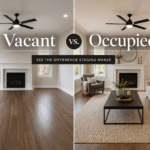
- Vacant vs. Occupied Home Staging: Which Option Is Right for You?
- Why Home Staging Is Worth the Investment When Selling Your Home
- What to Expect During a Professional Home Staging Consultation
- Top Home Staging Trends Buyers Love This Year
- What Every First-Time Home Seller Should Know About Home Staging
- How Realtors Can Win More Listings with Professional Home Staging
- Essential Home Staging Tips Before Your Listing Photos Are Taken
- Why High Interest Rates Make Home Staging More Important
- How Professional Home Staging Helps Homes Sell Faster
- 10 Home Staging Mistakes That Could Cost You Buyers
- Vacant vs. Occupied Home Staging: Which Is Right for You?
- Why Home Staging Is Worth the Investment When Selling Your Home
- Why Staging Matters, Even in a Seller’s Market
- Top 10 Tips for Staging a Home for Photos
- Luxe Minimalist Staging: Less Meets Wow
- House Staging Services: Transforming Homes to Attract More Buyers
- Is Professional Home Staging Worth the Cost?
- Eco-Staging on a Budget That Actually Works
- How to Style Your Bookshelf: Styling Tips Like a Design Pro
- Home Staging 101: What is Staging and Is it Necessary for Selling Your Home?